
Personality Disorders

Structured, Psychiatrist-Led Recovery for Personality Disorders
bt_bb_section_bottom_section_coverage_image

Understanding Personality Disorders and Their Impact on Recovery

Personality disorders can significantly affect the way individuals think, feel, relate to others, and respond to life’s challenges. These long-standing patterns can contribute to difficulties in relationships, emotional regulation, self-image, and daily functioning.

For some individuals, the distress associated with personality disorders may also increase vulnerability to substance use, depression, anxiety, and other mental health concerns.

At Pathways – Healing & Recovery, we provide compassionate, evidence-based treatment for individuals experiencing personality-related difficulties, helping them develop healthier coping strategies, improve emotional stability, and build more fulfilling relationships.

https://pathways.living/rehab/wp-content/uploads/sites/3/2026/05/Untitled-design-27.png
  • .

What Are Personality Disorders?

Personality disorders are mental health conditions characterized by enduring patterns of thinking, feeling, and behaving that differ significantly from cultural expectations and cause difficulties in personal, social, or occupational functioning.

These patterns often develop over many years and may affect:

– Relationships
– Emotional regulation
– Self-esteem
– Decision-making
– Impulse control
– Communication and interpersonal functioning

While these challenges can feel overwhelming, meaningful improvement is possible through appropriate treatment and support.
  • _

Common Types of Personality Disorders

Personality disorders exist on a spectrum and vary considerably from person to person.

Some commonly diagnosed personality disorders include:

– Borderline Personality Disorder (BPD)

Often characterized by emotional instability, fear of abandonment, impulsivity, and difficulties in relationships.

– Narcissistic Personality Disorder

May involve difficulties with empathy, self-esteem regulation, and interpersonal relationships.

– Avoidant Personality Disorder

Characterized by social inhibition, sensitivity to criticism, and feelings of inadequacy.

– Obsessive-Compulsive Personality Disorder (OCPD)

Involves excessive perfectionism, rigidity, and a strong need for control.

– Dependent Personality Disorder

Marked by an excessive need for reassurance, support, and approval from others.

Each individual’s experience is unique and requires a personalized assessment and treatment approach.
  • _

Personality Disorders and Addiction

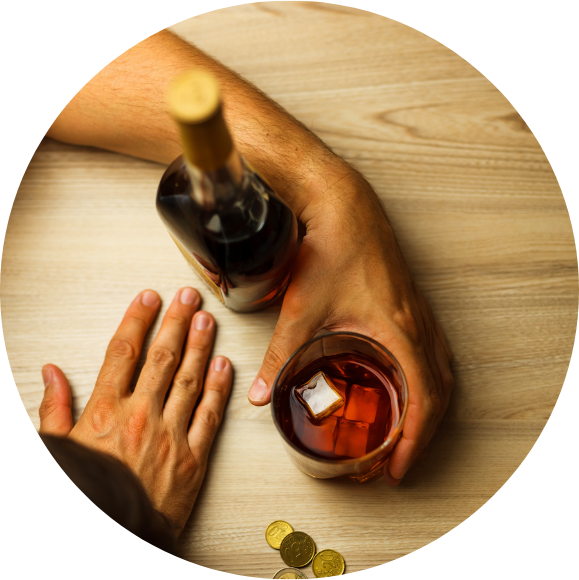
Personality disorders frequently co-exist with substance use disorders.

Individuals may use alcohol or drugs to cope with:

– Emotional distress
– Relationship difficulties
– Chronic feelings of emptiness
– Anxiety
– Shame
– Low self-worth

Unfortunately, substance use often worsens these challenges and can make recovery more difficult without appropriate treatment.

When addiction and personality-related difficulties occur together, both conditions must be addressed for lasting recovery to occur.
  • _

Personality Disorders and Dual Diagnosis

Many individuals with personality disorders also experience other mental health conditions, including:

– Depression
– Anxiety Disorders
– PTSD and Trauma-Related Conditions
– Bipolar Disorder
– Substance Use Disorders

This combination is often referred to as dual diagnosis.

At Pathways, we recognize that symptoms rarely exist in isolation. Our integrated treatment approach addresses the full range of psychological, psychiatric, and behavioural challenges affecting an individual’s wellbeing.
  • _

Signs That Professional Support May Be Helpful

While symptoms vary depending on the individual and diagnosis, common difficulties may include:

– Intense emotional reactions
– Unstable relationships
– Fear of abandonment
– Persistent interpersonal conflict
– Impulsive behaviours
– Chronic feelings of emptiness
– Difficulty trusting others
– Poor self-image
– Difficulty managing stress

Seeking professional support early can improve outcomes and reduce the impact these challenges have on daily life.
  • _

Our Treatment Approach

Every individual entering treatment receives a comprehensive psychiatric and psychological assessment designed to understand their unique experiences, strengths, and treatment needs.

Treatment may include:

– Psychiatric Evaluation

Comprehensive assessment and medication management where appropriate.

– Individual Psychotherapy

Developing insight, emotional regulation, and healthier coping strategies.

– Group Therapy

Building interpersonal skills, self-awareness, and emotional resilience.

– Trauma-Informed Care

Addressing underlying experiences that may contribute to emotional and behavioural difficulties.

– Family Involvement

Supporting healthier communication and strengthening family relationships.

– Dual Diagnosis Treatment

Addressing co-existing addiction and mental health conditions through integrated care.
  • _

Borderline Personality Disorder and Recovery

Many individuals diagnosed with Borderline Personality Disorder experience intense emotions, relationship difficulties, and periods of crisis that can feel overwhelming.

With appropriate treatment, however, significant improvement is possible.

Modern therapeutic approaches can help individuals:

– Improve emotional regulation
– Reduce impulsive behaviours
– Build healthier relationships
– Strengthen self-awareness
– Develop more effective coping skills

Recovery is not only possible—it is increasingly expected with consistent treatment and support.
  • _

Building Healthier Relationships

Because personality disorders often affect interpersonal functioning, treatment frequently focuses on improving communication, trust, emotional awareness, and relationship skills.

Developing healthier relationships can become one of the most meaningful and rewarding aspects of recovery.
  • _

The Pathways Difference

Individualized, Compassionate, Psychiatrist-Led Care

At Pathways – Healing & Recovery, we understand that personality disorders are complex and deeply personal experiences.

Our treatment philosophy emphasizes:

– Respect and dignity
– Individualized care
– Evidence-based treatment
– Trauma-informed approaches
– Dual diagnosis expertise
– Long-term emotional growth and recovery

We focus not only on reducing symptoms but on helping individuals develop healthier, more satisfying lives.
  • _

Begin Your Journey Toward Change

Living with emotional and relationship difficulties can be exhausting, but effective treatment is available.

Whether you are seeking help for yourself or a loved one, our team provides confidential assessments and personalized treatment plans designed to support meaningful and lasting change.

Take the First Step Toward Recovery and Emotional Wellbeing Today.
Seeking help can feel overwhelming — but it is also the beginning of change.
Take the First Step Toward Recovery
bt_bb_section_top_section_coverage_image
bt_bb_section_bottom_section_coverage_image

Confidential consultations are available for individuals and families.
