
Drug Addiction Treatment

Structured, Psychiatrist-Led Recovery for Drug Addiction
bt_bb_section_bottom_section_coverage_image

Structured Recovery for Drug Addiction and Dual Diagnosis

Drug addiction affects both the body and mind, often leading to physical dependence, psychological distress, and significant disruption in daily life. Over time, repeated substance use changes the brain’s reward and decision-making systems, making it increasingly difficult to stop despite harmful consequences.

At Pathways – Healing & Recovery, we provide evidence-based residential treatment designed to help individuals safely withdraw from substances, address the underlying causes of addiction, and build a foundation for lasting recovery. Whether addiction has developed recently or over many years, meaningful change is possible with the right support.

https://pathways.living/rehab/wp-content/uploads/sites/3/2026/05/Untitled-design-27.png
  • .

What Is Drug Addiction?

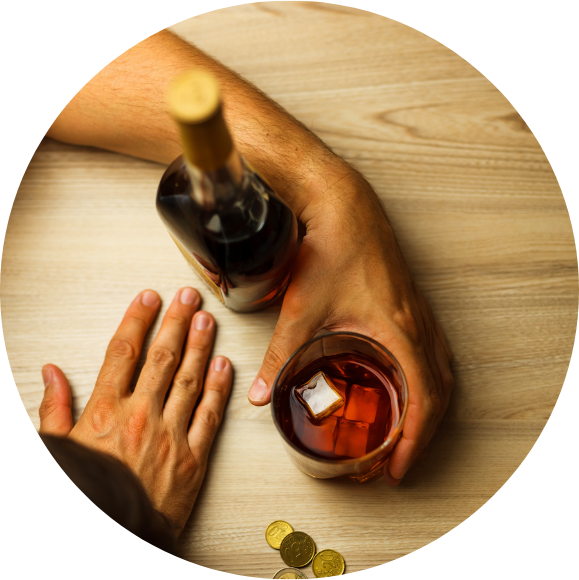
Drug addiction is a chronic condition characterized by compulsive substance use despite negative consequences. It can involve illicit drugs, prescription medications, or other substances that alter mood, perception, or behaviour.

Over time, addiction affects judgment, emotional regulation, relationships, physical health, and overall functioning. While the consequences can be severe, effective treatment can help individuals regain control and rebuild their lives.
  • _

Comprehensive Drug Rehabilitation

Recovery involves more than simply stopping drug use. Effective treatment addresses the biological, psychological, social, physical, and spiritual dimensions of addiction.

Our residential programme combines:

– Medically supervised detoxification
– Psychiatric assessment and treatment
– Individual psychotherapy
– Group therapy
– Family involvement
– Relapse prevention planning
– Wellness and recovery education

Through structured treatment and ongoing support, individuals develop the tools needed for long-term recovery.
  • _

Signs and Symptoms of Drug Addiction

Drug addiction can present differently depending on the substance involved, but common warning signs include:

– Significant mood changes
– Loss of interest in previously enjoyed activities
– Changes in social circles
– Difficulties at work, school, or home
– Secrecy and isolation
– Changes in sleep and appetite
– Neglect of personal responsibilities
– Continued use despite harmful consequences

Recognizing these signs early can help individuals access treatment before the condition progresses further.
  • _

Causes and Risk Factors

Addiction rarely develops because of a single factor. It is usually influenced by a combination of biological, psychological, and environmental factors.

Common risk factors include:

– Family history of addiction
– Early exposure to substances
– Trauma or adverse life experiences
– Chronic stress
– Peer influence
– Untreated mental health conditions
– Social or environmental instability

Understanding these contributing factors helps guide effective treatment and long-term recovery planning.
  • _

Drug Addiction and Dual Diagnosis

Many individuals struggling with addiction also experience underlying mental health conditions such as:

– Depression
– Anxiety Disorders
– Bipolar Disorder
– PTSD and Trauma-Related Conditions
– ADHD
– Psychotic Disorders

This combination is known as dual diagnosis.

Substances are often used to cope with emotional distress, but over time they frequently worsen psychiatric symptoms. At Pathways, addiction and mental health conditions are treated together through integrated, psychiatrist-led care.
  • _

Effective Treatment for Drug Addiction

Recovery begins with a comprehensive assessment to understand each individual’s history, substance use patterns, mental health needs, and treatment goals.

Treatment may include:

– Medical Detoxification

Safe withdrawal management with clinical supervision.

– Individual Therapy

Exploring the emotional and psychological drivers of addiction.

– Group Therapy

Building accountability, support, and recovery skills.

– Family Therapy

Improving communication and strengthening support systems.

– Psychiatric Care

Assessment and treatment of co-existing mental health conditions.

– Relapse Prevention

Developing practical strategies to maintain recovery after treatment.
  • _

Helping a Loved One Seek Treatment

Watching someone struggle with addiction can be difficult and emotionally exhausting. Family members often feel uncertain about how to help while protecting their own wellbeing.

Encouraging treatment, setting healthy boundaries, and seeking professional guidance can make a significant difference. Early intervention often improves outcomes and helps individuals access support before addiction causes further harm.
  • _

Our Approach to Recovery

Personalised, Compassionate Care

No two experiences of addiction are the same. Each person entering treatment receives an individualized recovery plan based on their unique needs, challenges, and goals.

Our multidisciplinary team works collaboratively to provide structured, evidence-based care in a safe and supportive environment where lasting change can occur.
  • _

A Healing Environment

Recovery requires more than abstinence. It involves rebuilding physical health, emotional resilience, relationships, purpose, and self-confidence.

Our residential programme provides the structure, support, and professional guidance needed to help individuals focus fully on recovery and move toward a healthier future.
  • _

Begin Your Recovery Journey

Seeking help is often the most difficult step, but it is also the beginning of change.

Whether you are looking for help for yourself or a loved one, our team is available to discuss treatment options, admissions, and recovery planning in complete confidence.

Take the First Step Toward Recovery Today.
Seeking help can feel overwhelming — but it is also the beginning of change.
Take the First Step Toward Recovery
bt_bb_section_top_section_coverage_image
bt_bb_section_bottom_section_coverage_image

Confidential consultations are available for individuals and families.
