

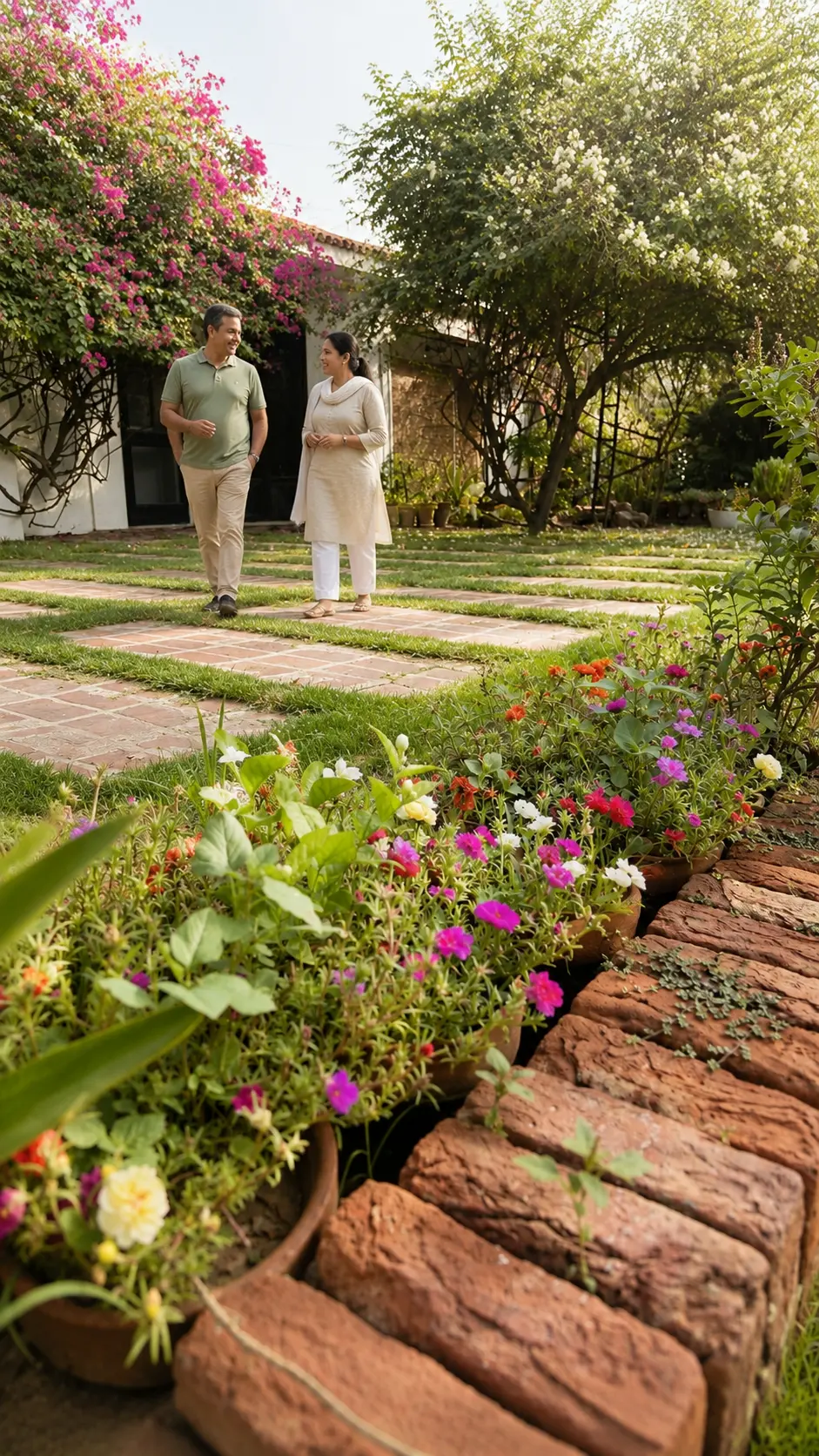
Research consistently shows that access to natural light, green spaces, physical activity, privacy, meaningful social connection, and reduced environmental stress can improve emotional wellbeing, engagement in treatment, sleep quality, and overall recovery outcomes.
At Pathways, every aspect of the campus has been designed to create a sense of safety, dignity, and calm.
Purpose-built spaces for assessment, therapy, and recovery planning.
Features include:
These spaces provide a professional yet welcoming environment where meaningful therapeutic work can take place.
Comfortable, private accommodation designed to support rest, recovery, and healthy routine formation.
Features include:
Our residential spaces provide comfort without distraction, allowing clients to focus on recovery and personal growth.
Recovery involves rebuilding physical wellbeing alongside emotional health.
Facilities include:
These facilities help clients restore energy, improve sleep, reduce stress, and develop healthier lifestyle habits.

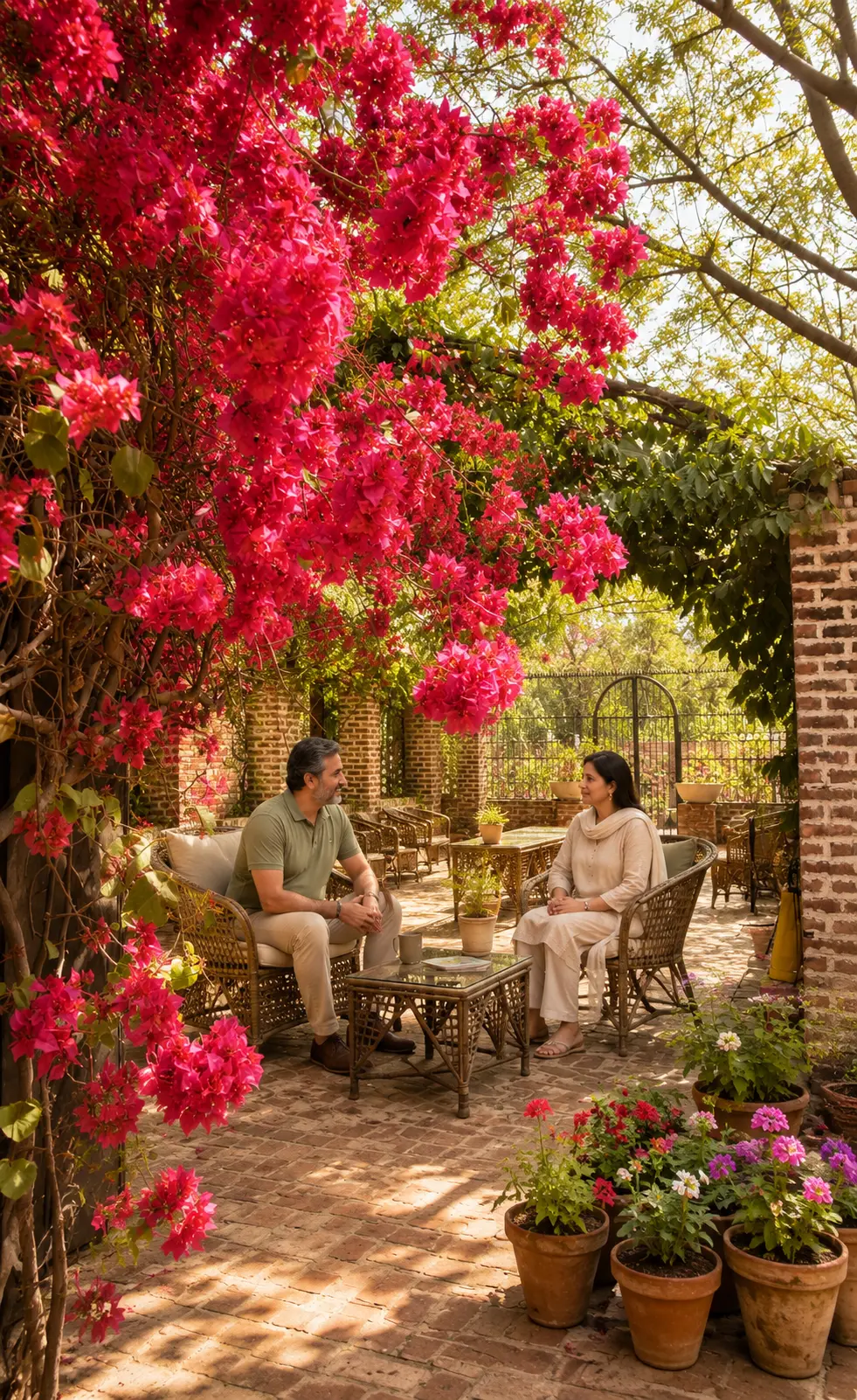
Nature is an important part of the Pathways experience.
Throughout the campus, clients have access to peaceful gardens, shaded walkways, outdoor seating areas, and quiet spaces for reflection.
Whether participating in mindfulness practice, enjoying a conversation with peers, reading outdoors, or simply taking time to pause, these spaces encourage restoration and emotional balance.
Recovery thrives in an environment of support and meaningful human connection.
Shared spaces across the campus encourage healthy social interaction, peer support, family involvement, and participation in therapeutic activities while maintaining appropriate privacy and professional boundaries.
Clients often describe the Pathways community as one of the most valuable aspects of their recovery journey.
Pathways is intentionally small.
Our boutique model allows for greater personal attention, enhanced privacy, and more individualised care than is typically possible in larger facilities.
Clients benefit from:
Recovery is not only about what we remove from a person’s life—it is also about rebuilding healthy habits, meaningful routines, and a stronger connection with food, nature, and self-care.
At Pathways, nutrition extends beyond meal planning. Clients are encouraged to participate in hands-on wellness experiences that reconnect them with the journey from soil to table.
These activities provide opportunities for mindfulness, responsibility, creativity, teamwork, physical activity, and personal accomplishment while reinforcing the foundations of healthy living.
Whether planting vegetables, caring for herbs, harvesting seasonal produce, preparing meals, or gathering around the outdoor clay oven, these experiences transform everyday activities into opportunities for healing and growth.


The Pathways campus has been created to feel different from a hospital, institution, or traditional rehabilitation facility.
It is a place where evidence-based treatment, compassionate care, wellness, and nature come together to support meaningful and lasting recovery.
Healing begins with treatment. Transformation happens in the environment that supports it.

No two individuals require exactly the same treatment plan.
Some clients benefit most from psychiatric care and therapy. Others require greater focus on trauma recovery, family relationships, physical wellbeing, nutrition, or spiritual growth.
For this reason, treatment at Pathways is never based on a fixed formula.
Every recovery plan is carefully tailored to the individual’s needs, strengths, challenges, and goals.
Many treatment centres focus primarily on symptoms.
At Pathways, we focus on people.
Our commitment to individualized care, small client numbers, psychiatrist-led treatment, family involvement, nutritional support, wellness practices, and whole-person healing allows us to provide a recovery experience that is both comprehensive and deeply personal.
We believe that lasting recovery occurs when people are given the opportunity not only to overcome challenges, but to rediscover health, purpose, connection, and hope.
Recovery is not a destination.
It is a process of growth, discovery, and transformation.
The Pathways Recovery Model is designed to support individuals through that journey—one step, one day, and one meaningful change at a time.