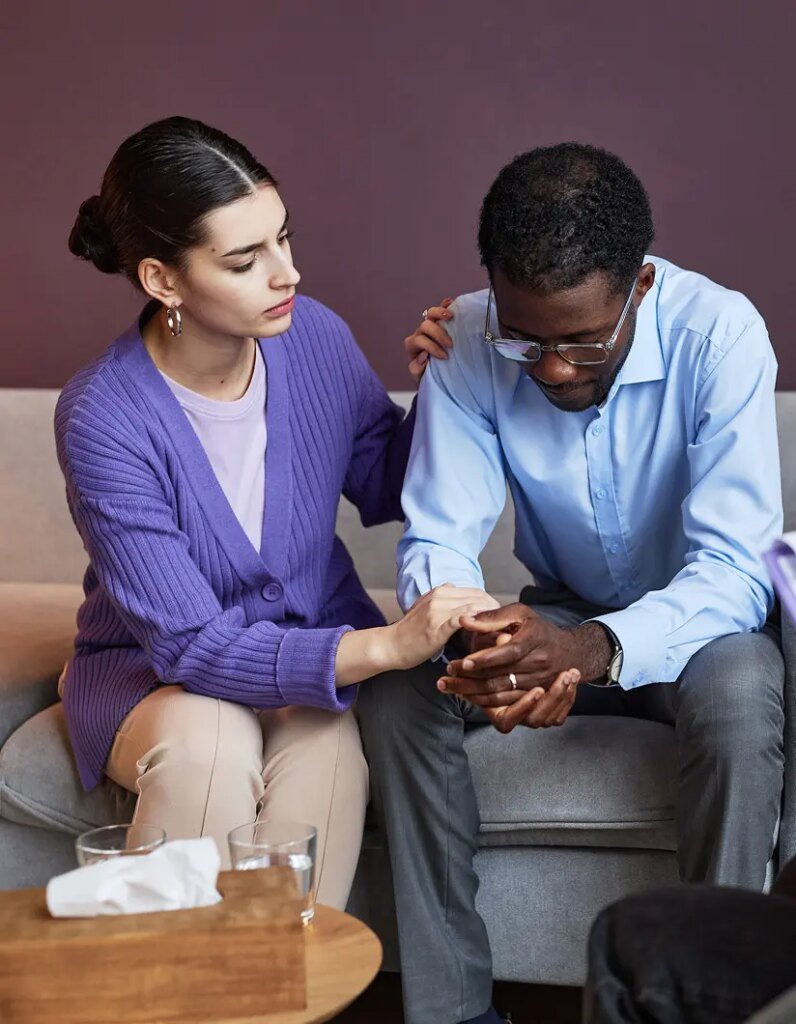
Family Psychoeducation
At Pathways, family psychoeducation may form part of your treatment programme when appropriate and agreed with you. Sessions help family members understand a loved one’s mental health condition or addiction, explore its effects on family life and learn practical ways to support recovery. Participation and information-sharing are discussed with you, with respect for privacy, individual needs and family circumstances.
Feeling better is closer than you think
Understanding family psychoeducation
What is family psychoeducation?
Family psychoeducation provides information, guidance and practical skills for people supporting a loved one with a mental health condition or addiction. It recognises that difficulties can affect partners, parents, children, siblings and others close to the person, while each family member may experience the situation differently.
Sadness, anger, guilt or fear can make it hard to know how to respond. Uncertainty about an illness may increase stress, arguments and communication difficulties. At Pathways, the aim is to build understanding without blame, explore the family’s concerns and identify constructive ways of offering support while recognising each person’s needs and boundaries.
What benefits can it offer?
Family psychoeducation can help relatives understand symptoms, treatment and recovery more clearly. It may reduce uncertainty, challenge stigma and support more constructive communication. Greater understanding can also encourage realistic expectations, confidence and a more compassionate response to a loved one’s difficulties.
Evidence is particularly established for structured family interventions in psychosis and schizophrenia, where these approaches can improve coping and reduce relapse risk alongside wider treatment. These findings do not mean every brief educational session will produce the same results, or that outcomes are guaranteed across all conditions. Goals are tailored to the person receiving care and their family’s circumstances.
How does it differ from psychoeducation?
Psychoeducation is the broader practice of helping people understand a condition, treatment and coping strategies. It may be offered individually or in groups. When directed to the person receiving care, it helps them understand their experiences and make informed decisions; they may choose to share that knowledge with their support network.
Family psychoeducation directly involves relatives or other agreed supporters in learning and discussion. It can address communication, practical support and responding to difficulties together. Joint sessions may include the person receiving treatment where appropriate. At Pathways, who participates and what personal information can be shared are agreed as part of the care plan.